

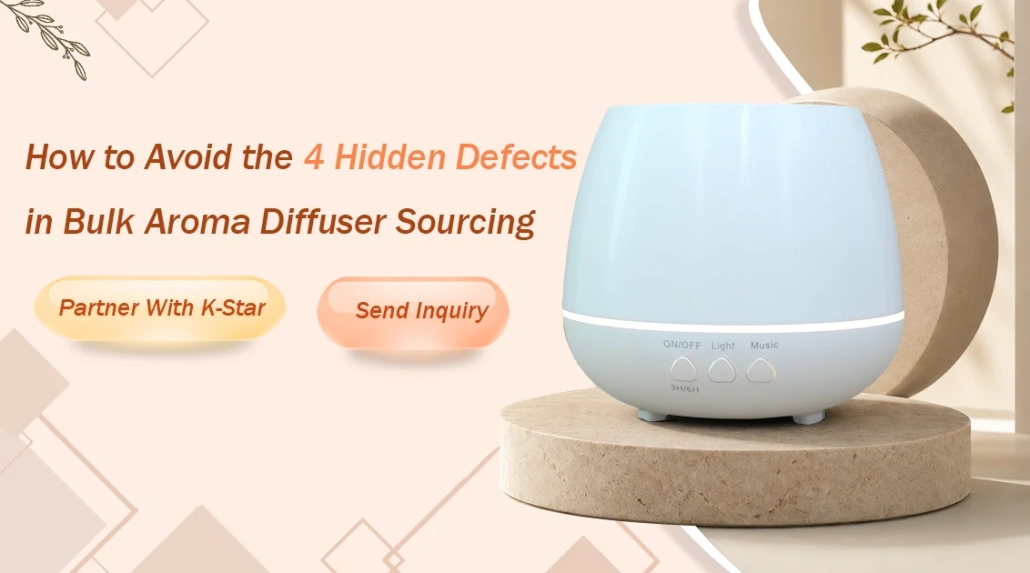
The True Cost of Hidden Defects in Bulk Aroma Diffuser Sourcing
In B2B procurement, choosing the lowest-priced diffuser supplier may seem like a smart business decision. A quotation that is just $0.50 lower per unit can look attractive when ordering thousands of aroma diffusers. However, a hidden 3% return and repair rate (RMA) can quickly eliminate your entire profit margin — and even damage your brand reputation eventually.
Navigating bulk aroma diffuser sourcing isn’t just about comparing FOB prices; it’s about maintaining the stability of the aroma diffuser.
The reality is that many aromatherapy diffuser look, work, and perform exactly as expected. But once the order moves into mass production, small compromises in materials, assembly processes, battery performance, or fragrance stability can create hidden defects.
In this guide, K-Star OEM diffuser manufacturer will uncover the 4 most overlooked defects in bulk aroma diffuser purchasing and share practical quality inspection standards that experienced buyers should evaluate before placing large orders. These checkpoints can help importers, distributors, and private label brands reduce return risks, protect their reputation, and build a more reliable supply chain with the right manufacturing partner.
The Hidden Costs of Poor Diffuser Quality in Bulk Diffuser and Humidifier Sourcing
For importers, distributors, and private label brands, a manufacturing defect is never just a diffuser issue. In sourcing bulk aroma diffusers, a small quality failure can quickly become a business risk that affects profit margins, customer satisfaction, and long-term brand growth.
Many buyers focus heavily on unit price when comparing suppliers. However, saving a few cents per unit can become costly when hidden defects appear after mass production. A small percentage of defective products can result in unexpected returns, replacement costs, negative customer feedback, and delayed product launches.
Here are the four major risks caused by poor-quality aroma diffusers and humidifiers:
1. Higher Diffuser Return & RMA Costs
A 3%–5% return rate may appear acceptable during initial calculations, but for large-volume diffuser fragrance orders, the actual impact can be significant.
Defects such as failed PCBs, battery issues, or cracked oil containers often appear after customers have already started using the scent aroma diffuser. The real cost includes not only replacement scent diffuser machines but also reverse logistics, customer support, inventory handling, and lost sales opportunities.
2. Brand Reputation Damage
For diffusers with scent brands and retailers, quality directly represents brand reliability. A diffuser that leaks, stops misting, or performs inconsistently can quickly lead to negative reviews and customer complaints.
3. Increased Scent Diffuser Machine After-Sales Pressure
Poor quality creates additional operational workload.
You may need to spend more time handling complaints, arranging replacements, investigating defects, and managing customer communication instead of focusing on aromatherapy business growth.
4. Delayed Humidifier Diffuser Launches
Quality problems discovered after shipment can significantly delay your market plans.
Rework, replacement production, or additional inspections may take weeks or even months, causing diffuser brands to miss important sales opportunities, seasonal launches, or retail deadlines.
K-Star Aroma Diffuser Exporter Lesson
The lowest supplier quotation is not always the lowest total cost.
Successful bulk quiet aroma diffuser sourcing requires evaluating not only price but also diffuser manufacturing processes, quality control systems, and long-term supplier reliability.

Before placing a large order, buyers should understand the hidden technical defects that commonly occur in oil diffusers and aromatherapy humidifiers.
Let’s look at the first hidden defect: unstable fragrance output and inconsistent atomization performance.
Hidden Defect #1: Unstable Fragrance Performance & Mist Attenuation
1. Why Consistent Fragrance Output Matters in Bulk Diffuser Sourcing
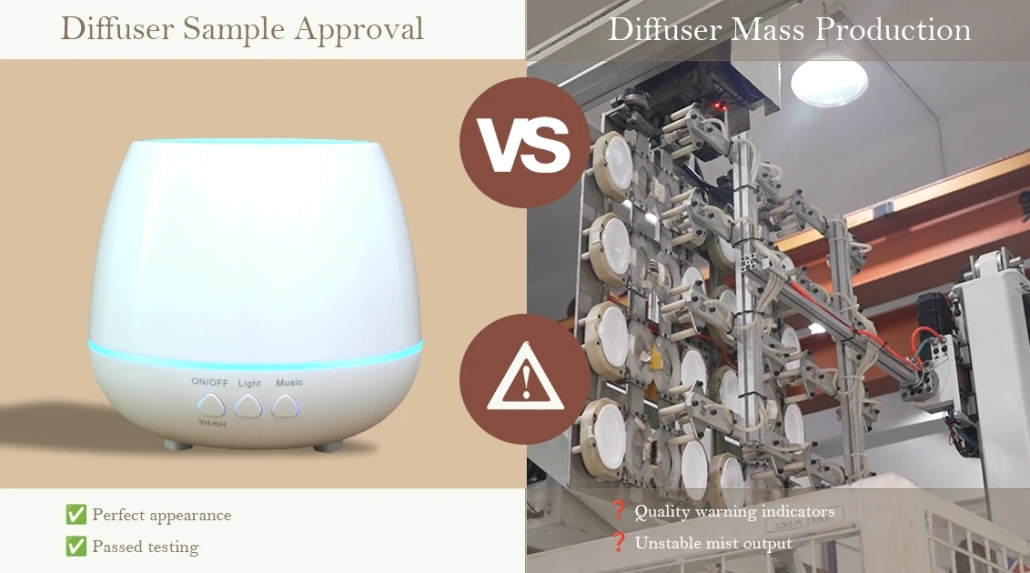
For buyers sourcing aromatherapy diffusers in bulk, fragrance performance is one of the most overlooked quality risks. A portable aroma diffuser may perform flawlessly during a 10-minute sample evaluation on your desk, but delivering unstable scent output across 5,000 mass-produced units will decimate your brand equity.
For distributors and private label brands, users expect exact fragrance intensity every time they change an oil bottle. However, some essential oils and diffuser factories often struggle with atomization degradation over extended use—resulting in drastic variations in scent coverage, oil consumption rates, and diffusion runtime between batches.
2. Why Mass-Produced Diffusers Lose Performance
-
Nozzle Tolerance & Air Pressure Decay
In cold-air misting systems, micro-nozzles require precise machining tolerances.
Low-cost smell diffuser factories use cheap injection molds that warp under heat, or uncalibrated micro-air pumps whose output pressure declines by 20%–30% after just 100 hours of continuous operation. -
Piezoelectric Ceramic & PCB Variability
Using ungraded piezoelectric discs in a cool mist humidifier with essential oils causes mismatched resonance frequencies, resulting in uneven misting height and premature fading of the output
-
Inconsistent Essential Oil Compatibility
The viscosity of essential oils can vary significantly, from light citrus blends to heavy sandalwood oils. Without customised airflow calibration, a standard aromatherapy humidifier diffuser can easily become clogged or perform poorly.
3. Common Signs of Unstable Fragrance Performance
-
Batch-to-Batch Diffuser Fragrance Variance
One shipment unit covers a 500 sq. ft. hotel lobby effortlessly, while another unit from the same pallet struggles in a small bedroom. This points directly to quality control during factory assembly.
-
Rapid Scent Output Attenuation
The diffuser starts strong during the first week, but by week three, mist density drops visibly. This performance drop usually stems from poor internal seals failing under oil vapor exposure or overheating PCB drivers
4. How Reliable Manufacturers Test Fragrance Consistency
When selecting a waterless aroma diffuser manufacturer, buyers should evaluate whether the factory has professional testing procedures instead of only reviewing samples.
-
Atomization Technology Verification
For waterless pure essential oil diffusers, cold-air nebulizing technology and precise airflow control are critical factors affecting output consistency.
-
Essential Oil Compatibility Testing
Different essential oils have different viscosity and chemical characteristics
Professional nebulizing aroma diffuser suppliers should test:- Oil compatibility
- Long-term operation stability
- Material resistance
- Fragrance output performance
- This is especially important for private label aroma diffuser suppliers working with different fragrance brands and customized oil formulas.
-
Diffuser Fragrance Output Consistency Testing
A professional quality control process helps ensure that the final shipment matches the approved sample.
-
100% Mass-Production Aging & Output Logs
Demand transparency on ultrasonic diffuser and essential oils factory QC. A reliable diffuser manufacturer conducts at least 12–24 hours of full-load aging tests on 100% of finished units—not just random batch sampling—to measure mist height, power draw, and decibel output.

5. Questions to Ask Your Essential Oil Ultrasonic Diffuser Supplier
Before placing a bulk order, ask your aroma diffuser manufacturer:
❓️ How do you test fragrance output consistency between batches?
❓️ Do you conduct long-term running tests before essential oil diffuser shipment?
❓️ Can you provide aroma essence oil diffuser production quality inspection records?
❓️How do you verify compatibility with different essential oils?
❓️ What is the micron tolerance of your atomization nozzles, and are they brass/aluminum or molded plastic?
❓️ Do you run 100% full-load aging tests for atomization stability?
❓️ Can you provide an essential oil compatibility report across different viscosity levels
Hidden Defect #2: Material Degradation & Essential Oil Corrosion
1. Why Material Quality Matters in Bulk Aroma Diffuser Sourcing
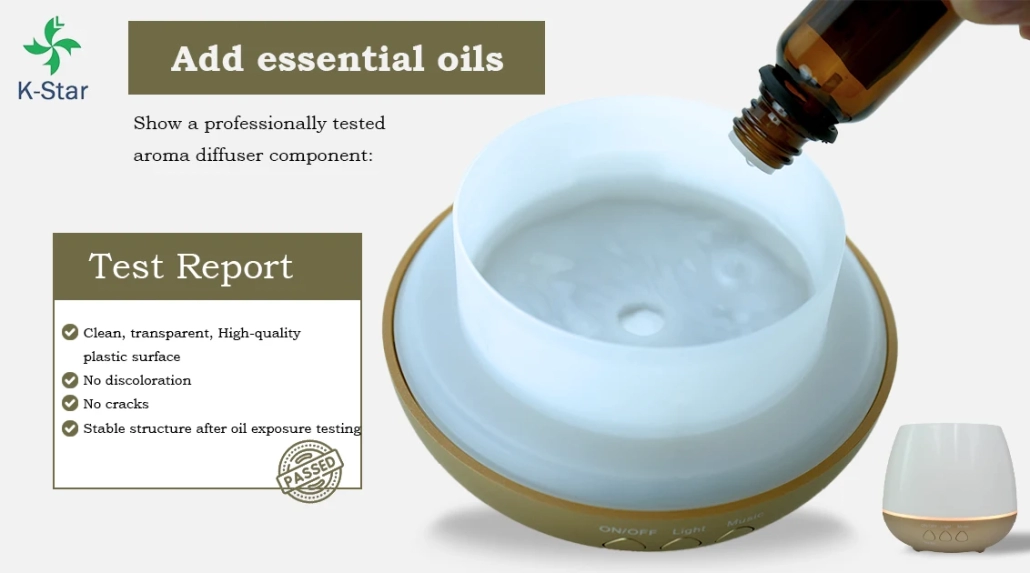
Many buyers evaluate aroma diffusers based on their appearance, functions, and how they perform when used as a sample. However, a hidden defect often only becomes apparent after several weeks of customer use: material degradation caused by essential oil corrosion.
Over time, low-quality materials exposed to essential oils may gradually change, resulting in discolouration, deformation, cracking, or leakage.
2. Cracks, Leakage, and Material Aging
- Oil containers becoming yellow or cloudy
- Plastic parts becoming softer or deformed
- Small cracks appearing after continuous use
- Essential oil leakage damaging furniture or surfaces
These scent diffuser problems are especially serious for products used in homes, offices, hotels, and commercial spaces, where customers expect reliable long-term performance.
A reliable essential oil diffuser manufacturer should select materials based on oil compatibility, product structure, and long-term durability requirements.
3. How to Inspect Essential Oil Diffuser Quality Before Bulk Order
-
Verify material specifications, ask essential oil diffuser suppliers
What material is used for oil-contact parts?
Is it virgin plastic or recycled material?
Has the material passed oil resistance testing?
-
Request Oil Compatibility Testing
Key components should be tested for: swelling, softening, whitening, surface cracks, color changes
-
Review Aromatherapy Diffuser Supplier Quality Control Process
Incoming material inspection
Production quality checks
Final product testing
Quality should be controlled before shipment
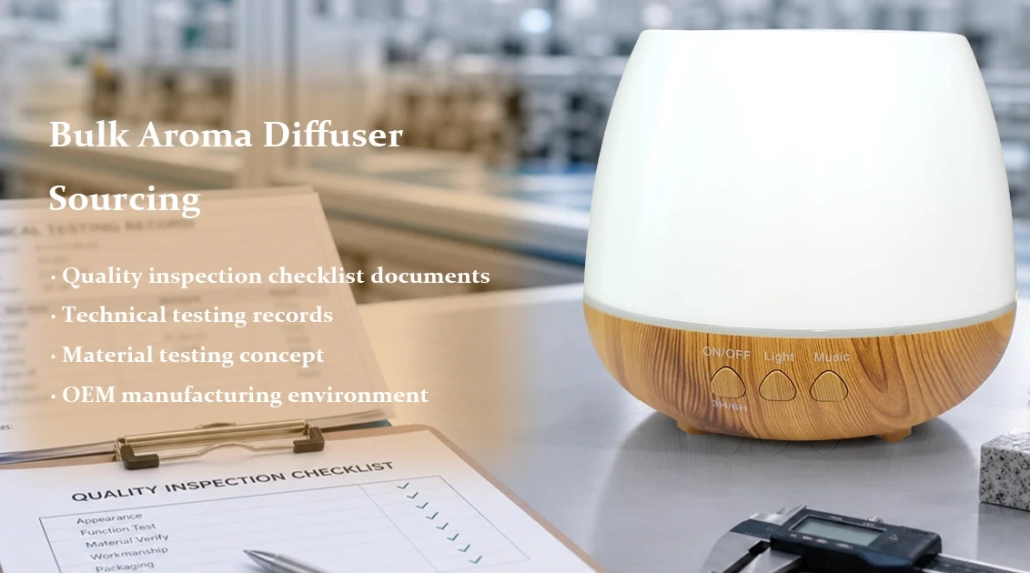
4. Material Inspection Checklist Before Bulk Aromatherapy Diffuser Order
| Aroma Diffuser Inspection Item | What Buyers Should Check |
|---|---|
| Plastic Material | PP, engineering plastic, or other oil-resistant materials |
| Material Source | Virgin material vs recycled plastic |
| Oil Compatibility | Resistance to essential oil exposure |
| Testing Method | Oil immersion test and durability testing |
| Quality Control | Material inspection and final production checks |
Hidden Defect #3: Lack of Production Quality Control in Diffusers for Essential Oils
In bulk aroma diffuser sourcing, one of the most painful surprises for importers and private label buyers:
You receive a diffuser sample from the supplier, test it in your office, and everything works perfectly. You confidently sign the purchase order for 3,000 units. But when the shipment arrives at your destination warehouse, 6% of the diffusers leak, 5% won’t turn on, and customers start complaining after a month of use.
Why does this happen?
Because making 1 perfect sample in a lab is easy, but maintaining consistent quality across 5,000 mass-produced units requires strict factory quality control.
1. The Standard 4-Step Ultrasonic Aromatherapy Humidifier Factory QC Process
To avoid mass production defects, a reliable aroma diffuser factory quality control system must strictly follow four key inspection stages before any diffuser leaves the assembly line:
2. Incoming Quality Control (IQC) — Inspecting Raw Materials
Before production begins, the oil diffuser and humidifier factory must test individual parts—like PCB boards, electric pumps, and plastic housings.
3. In-Process Quality Control (IPQC) — Monitoring Assembly
Inspectors monitor workers on the assembly line to prevent human error, such as improper soldering, loose wire connections, or misaligned rubber seals that cause water leaks.
4. Final Quality Control (FQC) — 100% Function & Aging Test
Before packaging, every aromatherapy humidifier unit must undergo a full function test. High-quality diffuser aromatherapy factories run a 12 to 24-hour continuous aging test (running the machine with water and oil) to catch early electronic failures or mist drops.
5. Outgoing Quality Assurance (OQC) — Final Pre-Shipment Audit
Before loading cartons onto shipping pallets, wholesale diffusers QA performs a final random inspection based on international standards (AQL 2.5) to verify packaging, barcode labels, user manuals, and power adapters.
6. Comparison: Professional Diffuser Wholesale Factory vs. Low-Tier Diffuser Supplier QC
The table below breaks down how strict quality control directly impacts your business risks:
| Inspection Stage | Low-Tier Supplier | Professional B2B Manufacturer | Impact on Your Orders |
| Material Check (IQC) | Uses cheap recycled ABS/PS plastic; skips corrosion testing. | Tests essential oil corrosion resistance materials (100% Virgin PP) before production. | Prevents water tank cracking and oil leakage after 30 days of customer use. |
| Assembly Check (IPQC) | No line inspectors; workers assemble fast with no oversight. | Dedicated IPQC stations check air-tightness, PCB wiring, and pump alignment. | Eliminates micro-leakages and short circuits caused by poor assembly. |
| Aging Test (FQC) | Random sampling (only checks 5–10% of products for 10 minutes). | 100% full-load aging test (runs every unit for 12–24 hours). | Catches faulty PCB boards and weak pumps before products are packed. |
| Shipment Check (OQC) | Packs cartons immediately without final pre-shipment auditing. | Conducts final AQL 2.5 inspections on drops, box strength, and accessories. | Ensures zero missing accessories, correct barcodes, and shipping safety. |
7. B2B Aroma Diffuser Supplier Audit Checklist
❓️ IQC Proof: Do you have material testing reports showing 100% oil corrosion resistance for the water tank?
❓️ Aging Test Capacity: Do you run 100% of fragrant mist diffusers through an aging test rack, or only a small random sample?
❓️ Aging Test Duration: How many hours does each diffuser run during the aging test before packaging? (Standard should be 12–24 hours).
❓️ Traceability: Does each batch have a production routing card to track who assembled and tested the unit?
Hidden Defect #4: Aroma Diffuser Excessive Noise & Poor User Experience
1. Why Noise Control Matters in Bulk Colorful Essential Oil Diffuser Manufacturing
When purchasing aroma diffusers in bulk, many buyers focus on fragrance output, appearance, and price. However, one quality issue is often ignored during the sample evaluation stage: operating noise.
A diffuser may look perfect and function normally during daytime testing, but when customers use it at night in bedrooms, hotels, or relaxation spaces, unwanted noise can become a major complaint.
2. Why Do Aroma Diffusers Produce Noise Problems?
- Poor Quality Internal Components
Low-cost motors, pumps, or fans may create more vibration and noise during operation.
Some electric diffuser manufacturers reduce component costs to achieve a lower unit price, but this can negatively affect long-term user experience. - Lack of Noise Testing During Production
Some whole scent diffuser suppliers only test whether the diffuser turns on and produces mist. - Poor Diffuser Structure Design
Loose components may create vibration sounds;
Poor airflow design may increase fan noise;
Incorrect water flow design may create noticeable bubbling sounds.
K-Star, as a professional OEM aromatherapy diffuser manufacturer, should consider both performance and user comfort during product development.

3. The Risks of Noisy Aroma Diffusers for B2B Buyers
A customer may accept slightly different fragrance intensity, but they are less likely to tolerate a oil diffuser that affects sleep or relaxation.
Common complaints include:
“The scent diffuser is too loud for sleeping.”
“The buzzing sound is annoying at night.”
“The aroma home fragrance diffuser does not feel premium.”
Excessive noise can directly impact guest satisfaction and lead to requests for diffuser replacement for hotel, spa and wellness brands
4. Noise Comparison: Low-Quality vs Quality-Controlled Diffusers
| Comparison Item | Low-Quality Diffuser | Quality-Controlled Diffuser |
|---|---|---|
| Motor Performance | More vibration and unstable operation | Stable operation with reduced vibration |
| Night Usage Experience | Noticeable buzzing or mechanical noise | Quiet operation suitable for bedrooms and hotels |
| Long-Term Use | Noise may increase over time | Maintains consistent performance |
| Customer Feedback | More complaints and returns | Better user satisfaction |
5. How to Reduce Noise Risks Before Bulk Aromatherapy Diffuser Ordering
Ask Aroma Essence Oil Diffuser Supplier:
- Is Noise Testing Included in the Quality Control of Aroma Diffuser?
- A reliable fragrance aroma diffuser and humidifier manufacturer should check:
- Operating sound level
- Abnormal vibration
- Continuous running performance
- Evaluate Diffuser Real Usage Scenarios
- Test the diffuser in environments where customers actually use it:
- Bedroom
- Office
- Hotel room
- Spa environment
Aroma Diffuser Supplier Quality Checklist Before Ordering
| Check Point | Questions to Ask |
|---|---|
| Factory Experience | How many years have you manufactured diffusers? |
| Production Capacity | What is your monthly output of aroma essence oil diffusers? |
| Quality Control | Do you have inspection procedures for aroma essential oil diffusers? |
| Certification | Is CE/FCC/RoHS certification available for humidifiers and essential oil diffusers? |
| Customization | Can you support OEM/ODM aromatherapy essential oil diffusers? |
| After-sales | How do you handle defects in essential oil humidifier diffuser? |
Frequently Asked Questions (FAQ) About Bulk Aroma Diffuser Sourcing
Q1:How can I verify if an aroma diffuser water tank is made of true essential oil corrosion-resistant material?
The most reliable method is to check that the water tank is made of either 100% virgin polypropylene (PP) or specialised, food-grade engineered plastics, rather than standard ABS or polystyrene (PS).
You can request a RoHS/REACH material compliance report from the supplier. To verify this yourself, conduct a 72-hour essential oil immersion test: apply pure citrus or eucalyptus essential oil directly to a plastic sample. If the surface becomes sticky or cloudy or shows micro-cracks, the material contains low-grade or recycled plastics that will leak over time.
Q2: What is an acceptable Return Merchandise Authorization (RMA) rate for bulk aroma diffuser orders?
The industry standard RMA rate for commercial and residential aroma diffusers should be kept strictly below 1%.
A rate above 2% indicates systemic quality issues in the supplier’s production line—such as uncalibrated PCB boards, low-grade air pumps, or lack of 100% full-load aging tests.
High-quality B2B aroma diffuser manufacturers typically offer a 12 to 24-month warranty and provide spare parts or free unit replacements for any defective items in subsequent batches.
Q3: What certifications are mandatory when importing aroma diffusers into Europe and North America?
North America (US & Canada):
FCC (for electromagnetic compatibility), UL/ETL (for power adapter safety), and California Prop 65 (material safety).
European Union (EU):
CE-EMC, CE-LVD, RoHS (restriction of hazardous substances), and REACH (chemical safety for plastic components).
Q4: How does a waterless aroma diffuser differ from an ultrasonic diffuser in terms of quality control risks?
Both technologies have distinct critical failure points that require different factory quality checks:
Waterless Nebulizing Diffusers
The greatest risk of defects lies in air pump pressure decay and micron nozzle clogging. Quality control must therefore focus on airtightness testing, pump lifespan, and precise airflow calibration.
Ultrasonic Essential Oil Diffuser
The main risk of defects stems from degradation of the piezoelectric ceramic disc and leakage of the water tank. Strict waterproofing checks and PCB waterless auto shut-off protection tests are required for quality control.
Q5: What should I check before placing a bulk aroma diffuser order?
Before placing a bulk aroma diffuser order, buyers should evaluate more than just product appearance and price.
Key factors include:
- Supplier manufacturing experience
- Material quality
- Fragrance output consistency
- Product testing process
- Certifications
- OEM/ODM capabilities
- After-sales support
A reliable supplier should be able to provide clear information about production processes, quality control standards, and product testing results before mass production.
Q6: How can I choose a reliable aroma diffuser manufacturer?
Choosing the right aroma diffuser manufacturer requires checking both factory capability and quality management:
- Years of manufacturing experience
- Production capacity
- Quality inspection process
- Existing export markets
- Customer cases
- OEM and customization experience
As a manufacturer of professional essential oil diffusers, it is important to provide samples and ensure that mass production maintains the same quality standard.
Q7: What are the most common problems when importing diffusers and humidifiers?
Some of the most common problems when importing aroma diffusers and essential oil humidifiers include:
- Unstable fragrance output
- Battery performance issues
- Leakage caused by poor materials
- Excessive operating noise
- Inconsistent quality between batches
Q8: What quality inspections should be done before bulk aroma diffuser production?
Before mass production, buyers should consider:
| Inspection Item | Purpose |
|---|---|
| Material Testing | Verify plastic durability and oil resistance |
| Function Testing | Confirm mist output, battery, and operating performance |
| Aging Test | Check long-term product stability |
| Noise Testing | The focus should be on ensuring a comfortable user experience. |
| Final Inspection | Confirm shipment quality consistency |
Related Resources
Explore Related Aroma Diffuser Solutions
Smart Aroma Diffuser Guide
Explore intelligent fragrance systems featuring APP control and scheduling functions.
Request Sample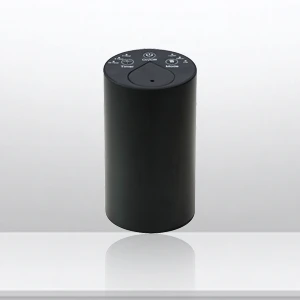
Waterless Diffuser Guide
Innovative diffuser design for enhanced usability.Produced with attention to quality, safety, and reliability.
Get A Quote
Hotel Scent Marketing
Learn how hotels create memorable guest experiences through customized fragrance branding.
Request Quote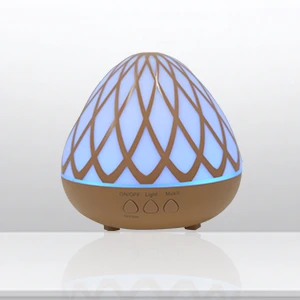
Aroma Diffuser for Office
Uniform aroma dispersion with stable mist performance, suitable for conference rooms and executive offices.
Send Inquiry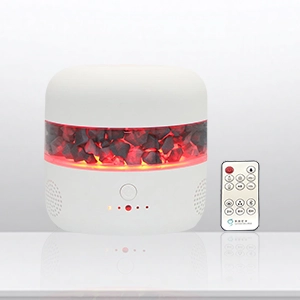
Remote Control Diffuser
Smart aroma diffuser equipped with a dedicated remote control for ease of use.
Contact Us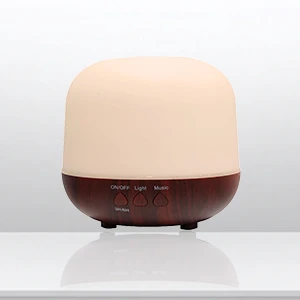
OEM Diffuser Services
Professional OEM and ODM manufacturing services for global fragrance brands.
Start Project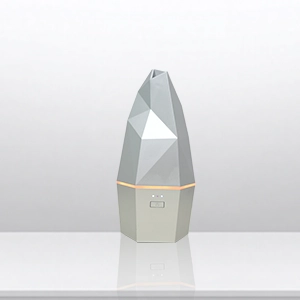
Bluetooth Smart Scent Diffusers
High-fidelity Bluetooth music playing smart aroma diffuser blending audio-visual entertainment with mist aromatherapy.
Get Free Quote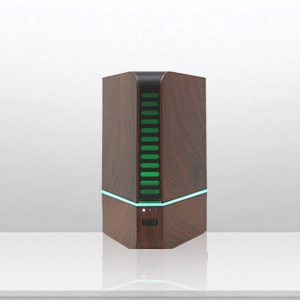
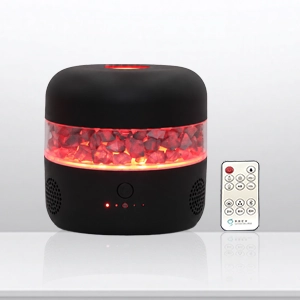
Music Box Smart Diffusers
Smart aroma diffuser with integrated Bluetooth audio speaker, showcasing synchronized light rhythms matching the acoustic music beats..
Get SampleWhy I write this
About k-Star
Shenzhen K-Star technology Co., Ltd.
Who are we
A trusted OEM/ODM manufacturer of aroma diffusers
Whom do we serve?
Global brands/wholesalers/distributors/enterprises
What do we offer?
OEM/ODM + one-stop solutions,
including custom design, mold development, private label production, manufacturing, quality control, and global shipping support
Submit your requirements now, and our team will contact you as soon as possible to provide professional solutions.